
Concrete grinding & surface preparation in San Francisco, CA - a slab your coating grips
Peeling paint, old mastic or a slab too smooth to hold a coating? We grind or blast it clean so your new floor bonds.
- Licensed and insured.
- Free estimates at your property.
- We reply within 1 business day.
What does it take to get a concrete floor ready for a coating?
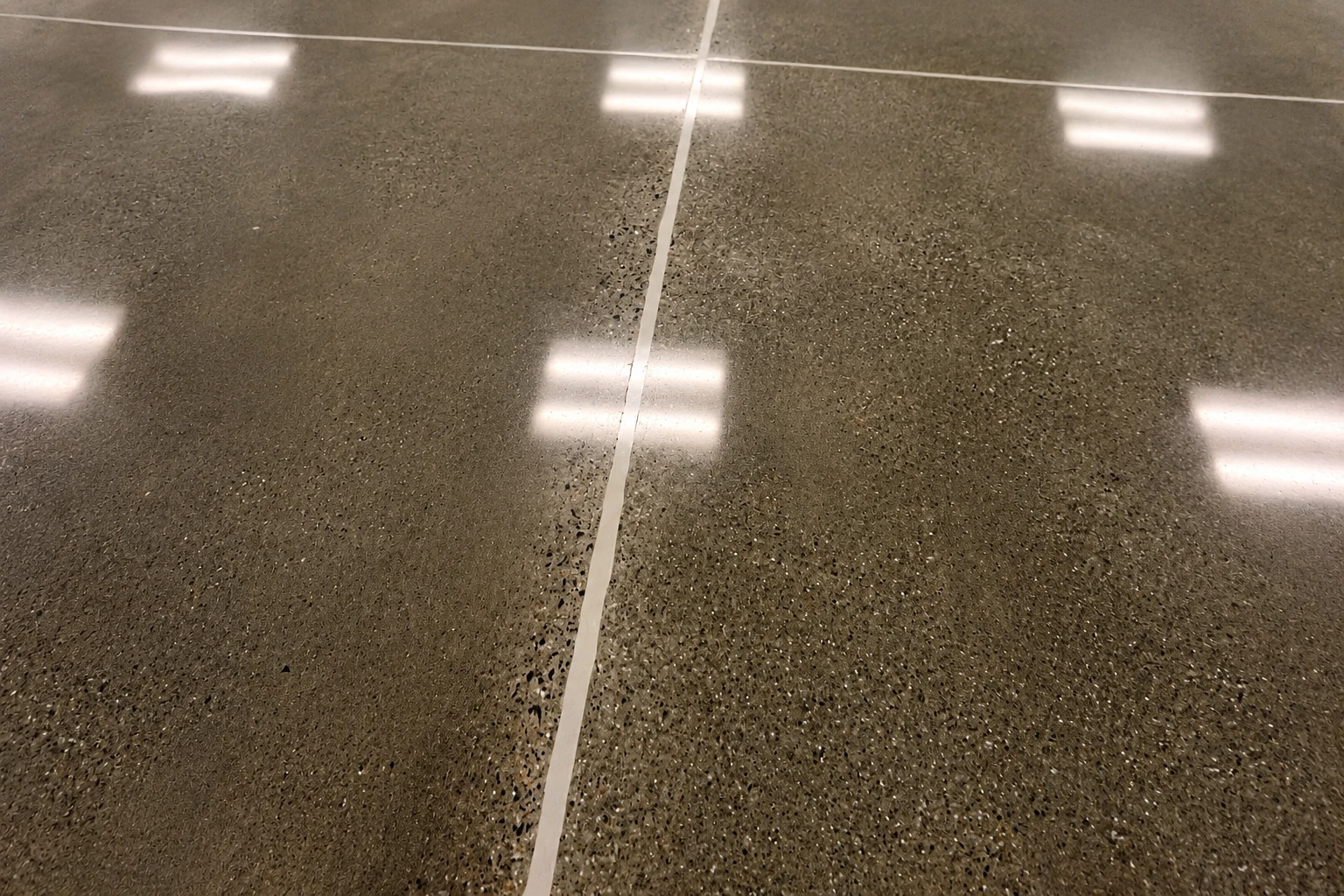
Concrete grinding and surface preparation in San Francisco is the work that comes before any new floor coating, where we grind or shot blast the slab to take off high spots, old paint, epoxy and mastic and leave a texture the coating can grip.
Most people call us because they're planning a new floor, maybe garage floor coatings or epoxy in a basement or shop, and the slab underneath has old paint, tile glue or a slick troweled finish. I'd rather spend the time here, because most coatings that peel had a problem in the slab before anyone opened a can. The price moves with the square footage, how much old material has to come off and how rough your coating needs the concrete to be. The schedule turns on whether the slab is new or damp and whether an older building needs a closer look first. At the estimate I check your slab and walk you through what each option means for your timeline.
How do you know your slab needs grinding before a new coating?
Old coating lifting or peeling
If paint or old epoxy is flaking at the edges or lifting where the tires sit, it has lost its grip on the concrete, usually because the slab wasn't prepped right the first time. Coating over it just glues the new layer to something that's already letting go, so the longer you wait, the more comes up and the more there is to grind off.
Black glue left from tile
Pull up old vinyl tile and you'll often find dark, sticky mastic on the slab, and no coating will hold to it. In an older building we take a closer look before that glue gets ground, for reasons I cover further down.
Smooth, shiny or uneven concrete
A slab that's glassy from troweling, beads water from an old sealer or has ridges you can feel underfoot won't take a coating well. A coating needs texture to grab, and high spots show through a thin film, so skipping prep usually turns up later as peeling or a wavy finish you can't fix without starting over.
How we handle concrete grinding and surface preparation
First I find out what coating is going on, because that decides how rough the concrete needs to be. Diamond grinders suit thin coatings and reach right up to the walls, while shot blasting, which throws steel shot at the slab, is fast, nearly dust-free and leaves a rougher surface for thicker systems, so we pick the one that fits your floor. Our crew then grinds down the high spots and takes off old paint, epoxy and mastic, with dust collection hooked up to our grinders the whole time. In an older building with old paint or mastic on the slab, we take a closer look before anything gets ground.
Prep is usually the first half of a bigger job. If you want the concrete left bare, a freshly ground slab takes concrete sealing well, and if it's too cracked, pitted or worn for grinding alone, concrete resurfacing and overlays give you a new top layer to work from.
Diamond grinding
Best for thin-film coatings and for floors with lots of edges, corners and walls, since a grinder gets where a blaster can't. With more aggressive tooling it can leave a somewhat rougher surface when the coating calls for it.
Shot blasting
Suits larger open floors getting a thicker coating system, because it works fast and leaves the rougher texture those systems need. It runs nearly dust-free, and we still finish the edges with a grinder.
Old coating and mastic removal
For slabs carrying paint, worn epoxy or tile glue that has to come off before anything new goes down. In older buildings this is where we slow down and check what's there first.
Find out what your slab needs before you coat it
We reply within one business day to set up a visit. I come out, check your slab for moisture and old coatings and walk you through your options. The estimate is free, with no pressure and no obligation.
(415) 918-5395Concrete grinding in older San Francisco buildings
A lot of the slabs we prep here sit in buildings that went up before 1979, and the city's lead paint guide says those have a high chance of lead-based paint. The city requires owners of older buildings to follow lead-safe practices, which matters when grinding takes old paint off a garage or basement floor, and its guidance tells you to let your neighbors know at least three business days before the work starts and to post a "Lead Work in Progress" sign at the front of the home. Old tile glue has its own concern, because the Air District lists mastics and vinyl floor tiles among materials that might contain asbestos. Its notification rule applies to contractors and homeowners renovating a structure when the work will disturb more than 100 sq. ft. of friable, regulated asbestos-containing material. So on an older floor, we sort out what's on the slab and what the work calls for before a grinder touches it.
Past the paint and glue, we see plenty of painted garage floors and patched basement slabs, often with several old coatings stacked on top of each other. We meet the same floors on jobs in Daly City and Oakland, and we prep them the same way, matching the grind to the coating going on.
What happens when you call about concrete grinding in San Francisco?
Call or send the form
Call (415) 918-5395 or use the form, and we'll get back to you to set up a visit. A rough idea of the floor size helps us plan the time.
I check the slab in person
I look at the floor, check it for moisture and old coatings, then walk you through your options and what each one means for your schedule. You'll know what the prep involves and why before you agree to anything.
Our crew preps the concrete
Our own crew does the grinding or blasting we agreed on, with a lead installer running the job day to day. That gives you one person on site to ask when something comes up.
We finish and show you care
Our crew puts down the system we agreed on, and we show you how to look after the floor. If you only need the slab prepped, we leave it clean and ready for its coating.
Frequently asked questions
How much does concrete grinding cost per square foot in San Francisco?
Light surface prep or smoothing usually runs about $1.50 to $2.25 per square foot across the US, and that's the going rate for the work, not a quote from us. Taking off thick old coatings or mastic, or roughing the slab up for a heavier system, is more work than light prep. Your own number comes from the estimate, after I've seen the slab.
How long should new concrete cure before you coat it?
New concrete is commonly given at least 28 days to cure, unless the coating is made to go down early. It also has to be dry enough to fall within the coating's moisture limits, so a fresh or damp slab can push your coating date back. Plan your schedule around that, and I'll tell you where your slab stands when I check it.
Is concrete grinding dusty, and how is the dust handled?
Yes, grinding concrete makes a lot of respirable crystalline silica, a dust fine enough to breathe in. One maker's guide says a capable dust collector must be used, and another guide says grinders should run with dust shrouds and HEPA vacuum extraction, so ask any crew how they handle it before work starts. Ours run with dust collection, as I mentioned above.
Can I acid etch my concrete floor instead of grinding it?
Usually not, if a coating is going on. Acid etching won't remove sealers, curing compounds, oil or old coatings, and the texture it leaves is often too shallow for thick, high-build coatings. Many coating makers don't allow it at all, so check your coating's instructions before you pick a method.
How do I check my concrete floor for moisture before coating it?
One maker's guide suggests taping plastic sheets over a few different spots on the floor and checking under them after 24 hours. If moisture shows, that guide says to hold off on coating until you find where the water is coming from. I check for moisture myself at the estimate, so you'll know before you plan the next step.
Does concrete grinding remove old epoxy, paint and tile glue?
Yes, diamond grinding takes off old coatings, epoxy, paint and mastic, along with high spots in the slab. In a building from before 1979, old paint and glue can raise lead or asbestos concerns, which I covered in the section on older buildings.
San Francisco, CA
Get your slab checked before you coat
Call or send the form with your floor size, the coating you plan, the building's age and anything left on the slab, and we'll come ready, whether you're in San Francisco, down the Peninsula or across the Bay in the East Bay.