
Concrete sealing in San Francisco CA - a slab that sheds water and holds its color
If water soaks into your concrete and the color looks flat, the right sealer at the right hour helps keep water out and the color rich.
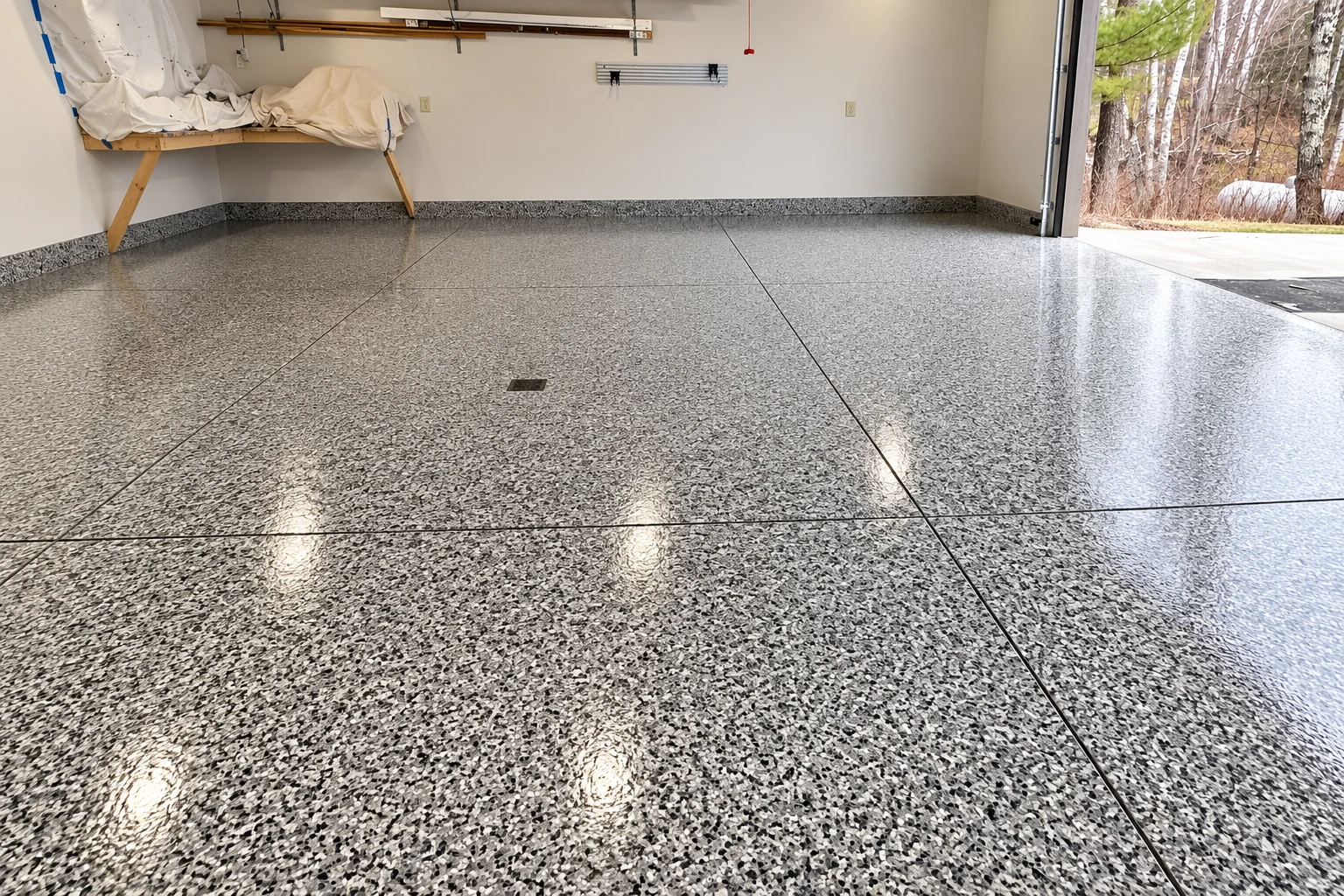
- Licensed and insured.
- Free estimates at your property.
- We reply within 1 business day.
Should you seal your concrete, and what does it actually do?
Concrete sealing in San Francisco puts a water-repellent treatment into the pores of your patio, driveway or garage slab, a thin protective film bonded to its surface, or a mix of both, so water and stains stay out and the color can look richer.
Most people call because the slab has started drinking water instead of shedding it, or a stamped patio has gone dull and chalky. The price moves with how big the area is, how much cleaning an older slab needs and whether layers of old sealer have to come off first, and the schedule turns on the sun and the weather, because sealer goes down out of direct sun and needs drying time before you use the space. Your own figure comes from me looking at the slab. We're based in San Francisco and work in the cities around it, down the Peninsula and across the Bay in the East Bay.
How can you tell your concrete needs sealing?
Water soaks right in
If rain or a hose leaves dark patches that sink in instead of beading on top, the slab has lost its water repellency or never had any. Left that way, water keeps working into the pores every time it gets wet.
The color has gone flat
A stamped or colored slab that looks washed out and chalky has usually worn through its sealer. Catching it now means a fresh coat can bring the color back, while waiting lets the bare surface take the wear.
Spills leave lasting marks
When a drip from the car or a spilled drink leaves a mark that scrubbing won't lift, the stain has gotten into unprotected concrete. Sealing won't erase marks that are already set in, so the sooner the slab is protected, the fewer you'll live with.
How we handle concrete sealing
First I ask what you want the slab to look like, because that decides between a sealer that soaks in and mostly leaves the color alone and one that sits on top and deepens it. Then our crew moves what's nearby, tapes plastic over windows and doors, washes the slab and blows the standing water out of the saw cuts, the cut lines in the slab, so nothing gets trapped under the sealer. National guidance written for stamped concrete says the slab should then dry 12 to 24 hours for best results, so we usually wash one day and seal the next. We put the sealer down out of direct sun, often in the evening, because sun on a fresh coat can raise bubbles that keep it from bonding to the old one, and that same guidance says the slab should ideally get 3 to 4 cool hours afterward. When it's time to reseal, we go by what the slab shows us, not the calendar.
Sometimes a sealer isn't enough. If the surface is cracked, pitted or worn past what a clear coat can help, concrete resurfacing and overlays give you a sound new surface to seal, and if an indoor slab is uneven, self-leveling concrete and overlays bring it flat before anything goes on top.
First seal on bare concrete
This suits a newer or never-sealed patio, walk or garage slab that you want protected from water and stains. I check that the concrete is ready and talk through whether you want the color left as it is or deepened.
Resealing an older sealed slab
This suits a slab that's lost its water and stain repellency or its depth of color. We check how much old sealer is already on it and clean it well, so we add only what the slab needs.
Find out which sealer suits your concrete
We reply within one business day to set a time for me to come look at your slab. The estimate is free, on site, with no pressure and no obligation.
(415) 918-5395What San Francisco rules mean for concrete sealing
Most sealing jobs start with washing the slab, and in San Francisco where that water goes matters. The city requires every construction site, whatever its size, to keep dirty water out of the sewer, and the San Francisco Public Utilities Commission issues a discharge permit for temporary construction runoff such as power-washing a building or a parking lot. Whether your job needs one is something I'd rather settle at the estimate than guess at over the phone, and when a job needs a permit we help you work through it and do the work to what it asks. Either way, we plan the wash so the water stays out of the sewer.
The Bay Area air district also limits the smog-forming solvents, called VOCs, that a coating or its thinner can carry, so the sealer we choose has to meet that limit as well as your color. On jobs here we see a lot of stamped patios, older garage slabs and front walks that haven't been touched in years, and we find the same mix in Daly City and across the Bay in Oakland.
What happens after you call about sealing your concrete?
Call or send the form
Call (415) 918-5395 or fill out the form, and we'll set a time for me to come out. It helps to tell us whether it's a patio, a driveway, a walk or a garage.
I check the slab myself
I look at the concrete, check it for moisture and old coatings and ask what color you're after. Then I walk you through your options and what each means for your schedule, so you know where things stand before you decide anything.
Our crew preps and seals
If you go ahead, our crew cleans and dries the slab, then puts down the sealer we agreed on, with a lead installer running the job. Plan to keep the area clear until the sealer has had its drying time.
We show you the care
Once the coat is down, we show you how to look after it and when you can use the space again. We also tell you what signs mean it's actually time to reseal.
Frequently asked questions
What is the best way to choose a concrete sealer for my patio or driveway?
Pick by the color you want and whether the concrete has fully cured. Penetrating sealers generally need fully cured concrete and most add no color, while film sealers are the most used choice on stamped concrete because they bring the color up, and hybrids do some of both. It's fair to ask any crew which kind they plan to use and how it fits your color.
How often should I reseal my concrete?
Reseal when the slab needs it, once water and stains start soaking in or the color loses its depth, not on a set number of years. Guidance written for stamped concrete warns that resealing more often than needed builds up sealer that takes time and money to remove, so a yearly coat just for shine can cost you later.
How long does concrete sealer take to dry before I can walk or park on it?
One maker's penetrating sealer allows light foot traffic after at least 4 to 6 hours, and furniture, heavy items and cars after 24 to 48 hours. Those are that maker's figures for its own product, and drying takes longer when it's cooler and more humid, so plan your parking and patio use around the weather. We'll tell you the times for the sealer we actually put down.
What city rules apply to washing and sealing concrete in San Francisco?
The two that come up most are the wash water rule described above and the city's sidewalk rules. Property owners in San Francisco must keep the sidewalk next to their property in good condition, and any sidewalk repair needs a Sidewalk Repair Permit from San Francisco Public Works. If your job includes fixing the sidewalk and not just sealing it, that permit is part of the plan.
How much does concrete sealing cost in San Francisco?
We price each job after seeing the slab, because the cost turns mostly on how much cleaning and prep it needs. On concrete a year old or more, cleaning and preparing the surface adds to the cost, and so does taking off old sealer that's built up. Your own figure comes from the on-site estimate.
What causes sealed concrete to look cloudy or patchy?
Usually too much sealer, or sealer put on too early. Guidance for stamped concrete warns that a topical sealer laid on too heavy or too soon can harm the look. If yours already looks that way, I'll check how much sealer is on it at the estimate before we add any more.
San Francisco, CA
Get your concrete sealed when it's ready
Have the slab's age, whether it's stamped and any past sealing handy when you call or write, so I come out already knowing what to check.